The award
The Royal Society Mullard Award was provided by a gift to the Society by the Board of Directors of Mullard Ltd. The Mullard Award is awarded to those who have an outstanding academic record in any area of natural science, engineering or technology and to individuals or teams whose work has the potential to make a contribution to national prosperity. The medal is of silver gilt medal, is awarded on the occasion of a suitable candidate being identified by the award's selection committee, and is accompanied by a travel grant of £1,500 and a gift of £2,000.
Eligibility
The Royal Society Mullard Award is open to UK/Commonwealth/Republic of Ireland citizens or those who have been residents for three or more years. There are no restrictions on career stage and nominations will remain valid and shall be considered by the award selection committee throughout three nomination cycles. Teams or groups may now be nominated for this award.
Nominations are open
Nominations are now open and will close on 20 February 2026.
Spotlight on 2025 winner
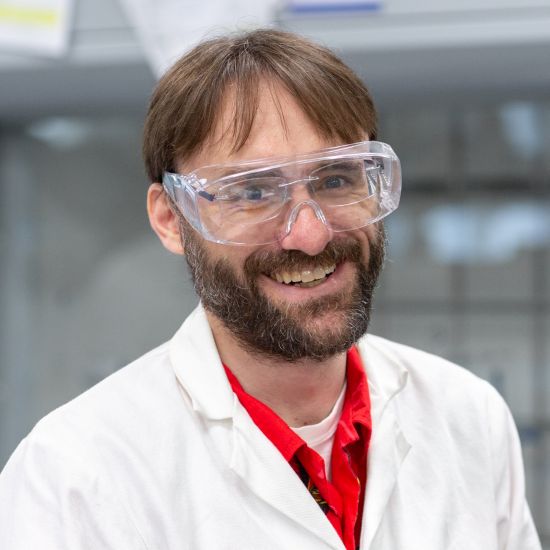
Professor Jason Hallett was awarded the Royal Society Mullard Award in 2025. He is Professor of Sustainable Chemical Technology and holds a Royal Academy of Engineering Chair in Emerging Technologies within the Department of Chemical Engineering at Imperial College London.
Professor Hallett’s research interests centre on the development of novel solvent-based chemical processes that are economically competitive and environmentally responsible. The focus is on sustainable biorefining and energy applications.
He has pioneered the development of low-cost green solvents for several commercial applications. This includes the production of biobased materials from waste wood and the recycling of post-consumer textile waste by removing dyes.
Speaking about his field of science, Professor Hallett said:
“It’s an exciting time for biorefining and recycling because of how well these areas match up with other advances currently happening in industry: renewable energy, low-carbon electricity, biotechnology and hydrogen. These aspects make biomass and waste more attractive feedstocks than ever and they should play a central role in displacing fossil carbon feedstocks.”
Professor Hallett’s academic career has been dedicated to the development of emerging sustainable technologies and the translation of those into commercial practice. When asked how the award could help further his work, Professor Hallett said:
“I think the exciting part is going to be the attention this can bring to academic translation activity, recycling and biomass-based technologies. The recognition of how our manufacturing industries and materials are changing and the drive for more sustainable products will be even more in the spotlight because of this award.”
Responding to winning the award, Professor Hallett said:
“I could not be more thrilled to be awarded the Mullard Award. I am humbled to be recognised with this award.”