
As 2025 draws to a close, we’re excited to reveal the top 10 most popular papers from across the Royal Society’s journals, ranked by Altmetric attention scores. These studies captured global interest, sparking conversations in news outlets, social media, and beyond.

10. Herring gulls tune in to human voices
This Biology Letters study reveals gulls listen in to human speech, responding differently to softly spoken conversations versus loud ones. Chatter makes them curious, whilst shouting sends them flying. Want to keep gulls away from your chips? Just raise your voice!
.jpg)
9. Wild fish have a knack for remembering faces
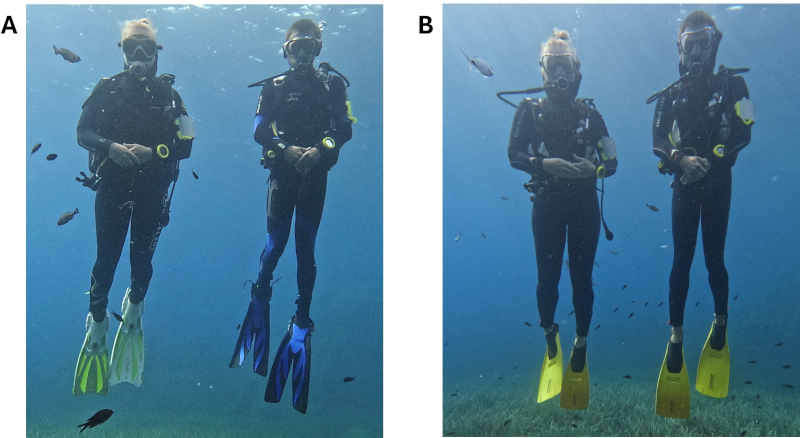
This Biology Letters paper reveals that wild sea bream can recognise individual divers using visual cues, but not when their diving gear looks identical. These underwater detectives remember who brings them snacks and who doesn’t, proving fish are far smarter and more socially aware than we ever imagined.
8. Sharks aren’t silent hunters after all
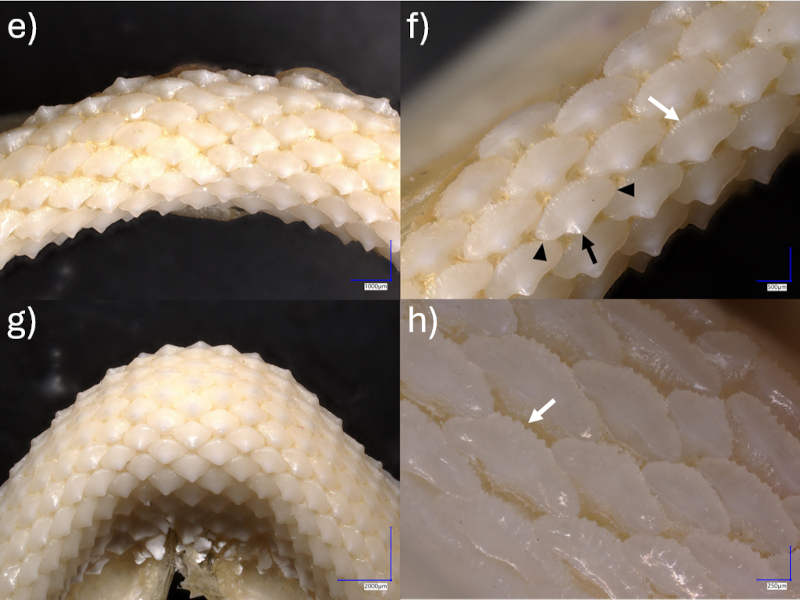
This Royal Society Open Science study reveals rig sharks can produce deliberate clicking sounds, likely by snapping their teeth together, when handled. It’s the first evidence of active sound production in sharks, rewriting what we know about marine communication.
7. Birds are breaking the rules of biology
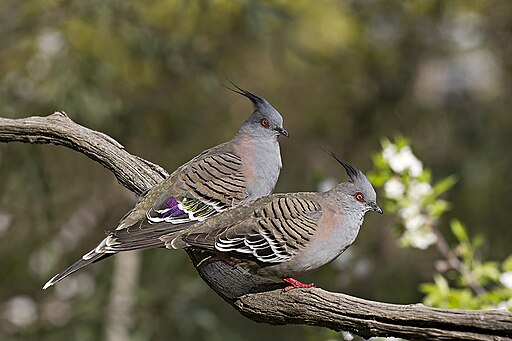
Research in Biology Letters has found that up to 6% of individuals in five wild bird species naturally switch sex, with genetically male birds developing female traits and vice versa. This surprising twist challenges what we know about avian biology and could reshape conservation strategies.
6. Cockatoos adapt to city life
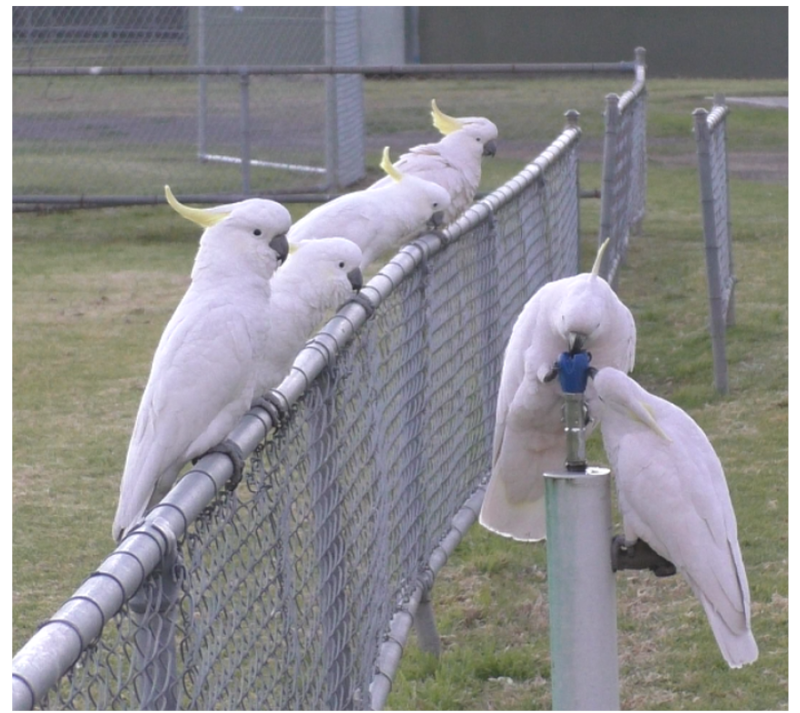
This study in Biology Letters shows sulphur-crested cockatoos in Sydney learned to operate public drinking fountains, using their beaks and feet to turn taps and access water. It’s a clever innovation that highlights urban wildlife adaptability and social learning.
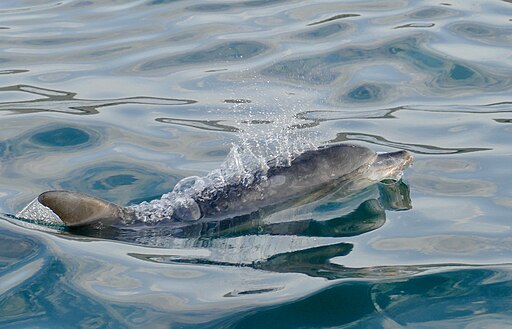
5. Dolphins are ocean innovators
This Royal Society Open Science paper investigates Shark Bay, Australia, bottlenose dolphins who use marine sponges as tools to protect their snouts while hunting on the seafloor. This skill is spread through family lines and is a fascinating peek into dolphin culture and adaptability
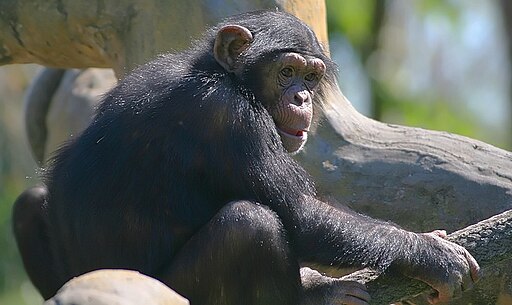
4. Children and chimps share a curious trait
This Proceedings B study found that both young children and chimpanzees are fascinated by social interactions. When shown videos, they preferred watching social scenes over solo individuals. Kids (and some chimps) were even willing to give up rewards for a peek at the action.
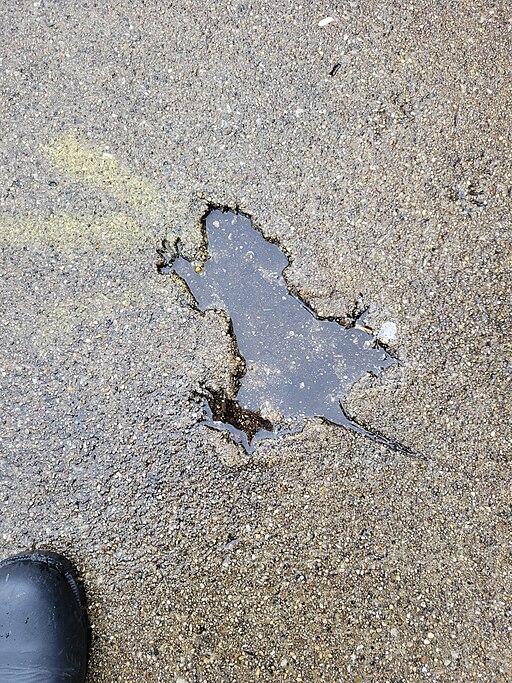
3. The ‘Chicago Rat Hole’… wasn’t a rat after all!
When a mysterious imprint in fresh cement went viral in Chicago’s Roscoe Village, everyone assumed it was a brown rat making a bold sprint across the concrete. However, research published in Biology Letters has compared the imprint to eight local rodent species and revealed a 98.67% likelihood that the ‘Chicago Rat Hole’ was in fact left by a squirrel.
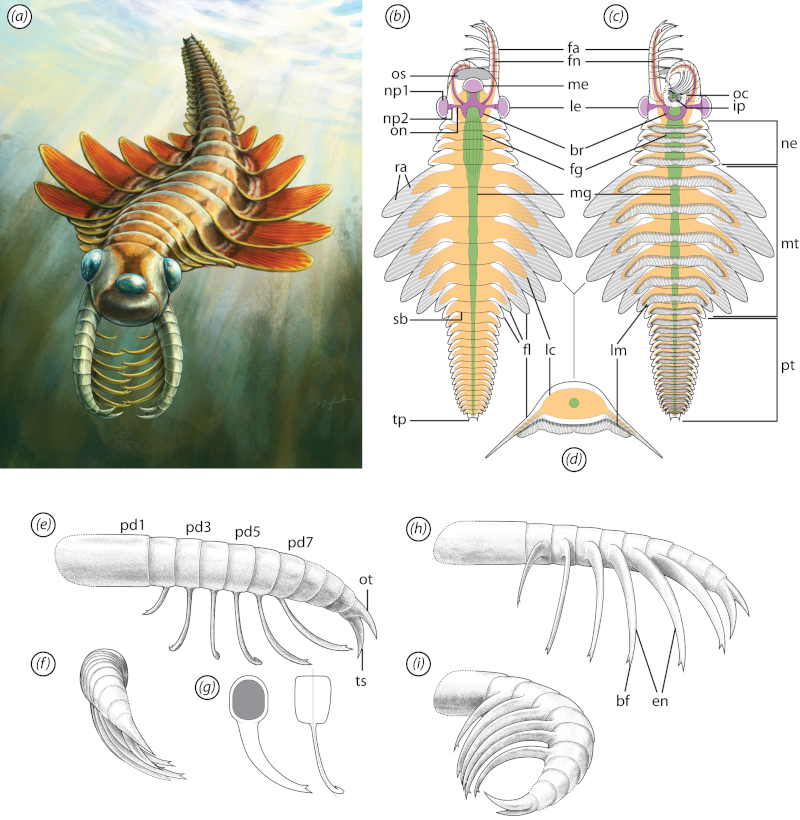
2. Arthropods are nature’s original hackers
A paper in Royal Society Open Science has revealed arthropods, such as insects, crabs and spiders, owe their success to tagmosis - grouping body segments into specialised regions like head, thorax, and abdomen. Fossil evidence shows this clever design appeared in the Cambrian era, giving arthropods the flexibility to evolve claws, wings, antennae, and more. This early evolutionary hack is why they dominate ecosystems today.
1. Survival of the biggest?
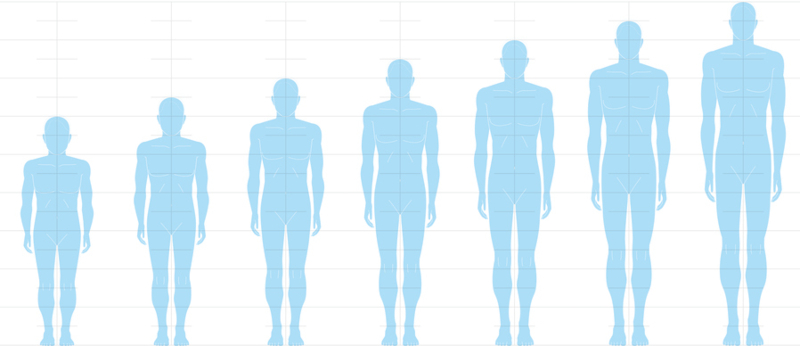
Men’s height and weight have increased almost twice as fast as women’s over the last hundred years. Improved nutrition and living standards have played a big role, but that’s not the whole story. According to this Biology Letters study, male body size is more than a biological trait. It’s a sexually selected signal of health and vitality, moulded by evolutionary forces and socio-economic changes. In short, size speaks volumes about survival and status.
Want to read more? Take a look at our all time popular papers collection.
Our journals continue to achieve high levels of citations and downloads year on year. Researchers who publish with us benefit from promotion by the Society's dedicated press and marketing teams. Would you like to publish your research in a Royal Society journal? Find out more about the benefits of publishing with us.
Image credits:
Turtle (Carettochelys insculpta). Credit: daniilphotos/iStock.
Herring gulls. Credit: NottsExMiner, CC BY-SA 2.0 <https://creativecommons.org/licenses/by-sa/2.0>, via Wikimedia Commons.
Two divers wearing (A) different dive gear and (B) identical dive gear. Source: doi.org/10.1098/rsbl.2024.0558.
Cranial structures and details of the dentition in a male, juvenile rig (Mustelus lenticulatus). Source: doi.org/10.1098/rsos.242212.
Crested pigeons. Credit: Patrick_K59, CC BY 2.0 <https://creativecommons.org/licenses/by/2.0>, via Wikimedia Commons.
Drinking fountain usage by sulphur-crested cockatoos. Source: doi.org/10.1098/rsbl.2025.0010.
Bottlenose dolphin. Credit: Bernard DUPONT from FRANCE, CC BY-SA 2.0 <https://creativecommons.org/licenses/by-sa/2.0>, via Wikimedia Commons.
Chimpanzee. Credit: Photo by David J. Stang, CC BY-SA 4.0 <https://creativecommons.org/licenses/by-sa/4.0>, via Wikimedia Commons.
Chicago Rat Hole. Credit: WinslowDumaine, CC BY-SA 4.0 <https://creativecommons.org/licenses/by-sa/4.0>, via Wikimedia Commons.
Morphological summary and artistic reconstruction. Credit: Danielle Dufault © Royal Ontario Museum.
Human height balance seen from the front. Credit: alphabetMN/iStock.

.jpg)